How to Ride an Electric Bike Safely in Traffic
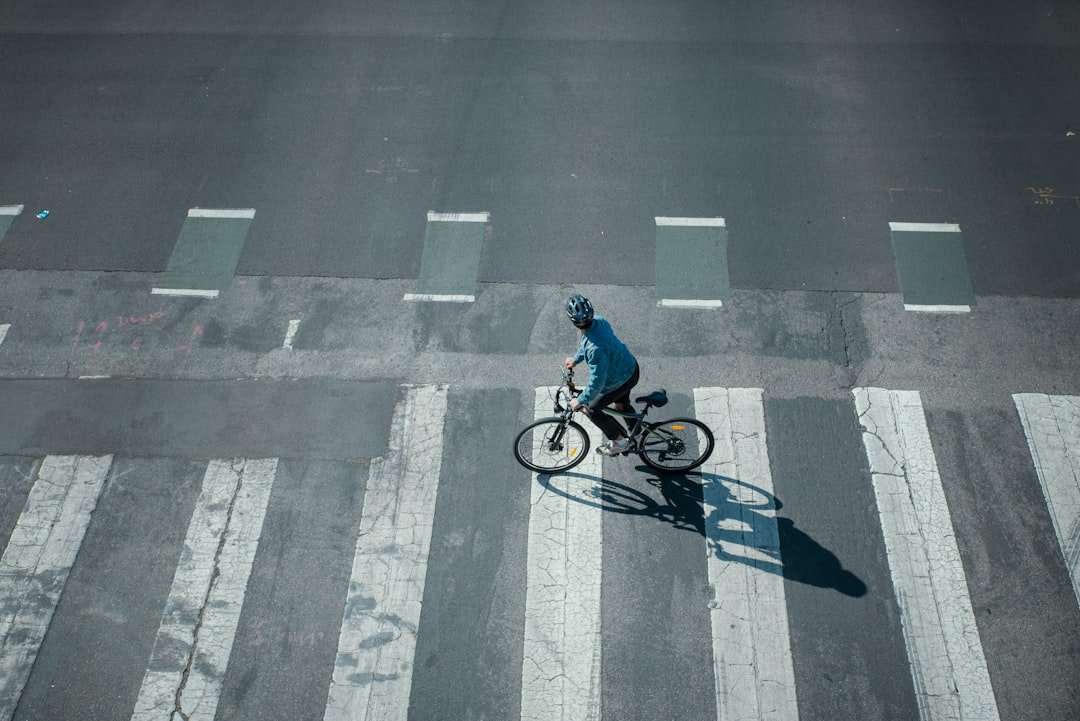
Riding an electric bike in traffic is different from cycling a regular bike: you have more speed, different weight distribution, and sometimes more complex controls. With the right habits and preparation, an e-bike can be a safe, efficient way to commute or run errands.
This guide gives clear, practical steps for riding safely—pre-ride checks, positioning, speed control, braking technique, and how to handle common traffic situations. If you ride daily, consider models designed for city use like an Electric Commuter Bikes to start from the right platform.
Know the rules and choose the right lane
Learn local laws for e-bikes (where they can ride, speed limits, helmet requirements). In most places, treat an e-bike like a bicycle: use bike lanes where provided and ride predictable lines. When no bike lane exists, position yourself safely—about 1–1.5m from parked cars to avoid dooring, and use the center of the lane when needed to prevent unsafe overtakes by motorists.
Pre-ride checklist: bike condition and setup
Before you head into traffic, do a quick safety check: brakes, tires, lights, battery level, and secure loads. Good tyres and correct pressure improve grip and stability—inspect them for cuts or low tread and replace as needed; look into appropriate Electric Bike Tires if your current tyres aren’t rated for the speeds you ride at.
Check the battery and range before every journey. If you depend on consistent power delivery, a reliable pack matters—consider quality battery options such as the 48V 52V Electric Bike Triangle Lithium Battery Pack for longer, stable rides.
Visibility and protective gear
Make yourself visible: bright clothing, reflective strips, and lights front and rear. At dusk or in poor weather, increase visibility with blinking rear lights and a strong front lamp. Use mirrors if you need them to monitor traffic behind you; always signal early with hand signals and visible body language.
A certified helmet is essential. Gloves improve grip and protect hands in minor falls; eyewear keeps debris and rain out of your eyes. If you regularly carry items, secure them in panniers or a rack—avoid backpacks that shift your balance.
Managing speed and power in traffic
E-bikes accelerate quickly. Anticipate traffic flow and throttle smoothly—surges of power can surprise drivers and destabilize you when turning or navigating obstacles. Use lower pedal-assist levels in dense traffic and higher levels on clear stretches.
Use an on-bike display or controller to monitor speed and battery; a clear display helps you avoid unintentionally exceeding local speed limits. Consider upgrading or using the Electric Bike Colorful 808 LCD Display if your current readout is hard to read in sunlight or rain.
Braking, handling and emergency stops
Understand your brakes’ limits—e-bikes are heavier, so stopping distances are longer than a standard bike. Test braking in a safe area to learn modulation: squeeze progressively, use both front and rear brakes together, and shift your weight back slightly to maintain traction while reducing the chance of a forward flip.
Keep brake systems in top condition; pad wear reduces stopping power. Replace worn pads right away and carry basic spares if you ride far from home. You can source suitable parts like Electric Bike Brake Pads to ensure reliable performance.
Interacting with motorists, buses and pedestrians
Assume drivers may not see you. Make eye contact at intersections when possible, but don’t rely on it—wait for clear gaps. When passing parked cars, give space to avoid dooring. Approach bus stops and intersections slowly; buses pull in and out unpredictably and pedestrians can step into the road.
When overtaking slower cyclists or riders, announce your pass early and pass on the left (or local standard) with a smooth, steady speed increase. If you need to take the lane because of narrow roads or hazards, signal your intent and hold a steady, visible line to avoid unsafe squeezes.
Parking, transport and storage
Park where racks or secure anchors are available and lock both frame and wheel to a fixed object. If you transport your e-bike by car, use a specialist carrier designed for heavier e-bikes—consider a dedicated Electric Bike Car Racks to avoid damage and illegal loading.
For home storage, wall-mounted racks free space and keep your bike off damp floors. A solid Electric Bike Wall Mounts will save space and protect the bike when not in use. In wet weather use a protective cover to keep electronics dry and reduce corrosion.
Maintenance checks and spare parts to carry
Regular maintenance keeps you safe: check bolts, spokes, suspension (if fitted), brakes, tyres, and wiring. For longer rides, carry a basic toolkit, a puncture kit, and small spare parts. Compact replacement brake pads or a multi-tool can get you home after a minor failure.
Consider carrying replacement pads or a small parts kit with items that match your bike. Durable, compatible spares like the 4pcs Bike Brake Pads, High-Performance are useful for riders who want quick fixes on the go.
Quick checklist before every ride
- Tires: proper pressure and no obvious damage.
- Brakes: responsive; lever travel normal.
- Battery: charged enough for the trip.
- Lights and reflectors: working (front and rear).
- Helmet and visible clothing on; gloves and eyewear as needed.
- Secure loads and check mirrors/handlebars are tight.
Checklist for commuting and longer trips
- Plan route with bike lanes and low-traffic streets.
- Carry a lock, basic tool kit, pump, and puncture repair kit.
- If transporting by car, use a tested rack designed for e-bikes.
- Store the bike on a wall mount or under cover when not in use.
FAQ
- Do I need a special licence to ride an e-bike in traffic?
Requirements vary by country and e-bike class. Many commuter-style e-bikes do not require a licence; check local rules for speed and power limits. - What’s the safest way to pass parked cars?
Give at least 1m where possible, watch for opening doors, and slow if visibility is limited. Take the lane if necessary to ensure space. - How do I stop quickly without skidding?
Use both brakes together, modulate pressure, shift weight back, and avoid abrupt front-only braking, especially on wet surfaces. - Should I use full throttle to keep up with traffic?
No—smooth throttle control keeps you predictable and conserves battery. Use pedal assist levels to match flow instead of sudden bursts of power. - What should I carry for emergency repairs?
A multi-tool, tire levers, spare tube or patch kit, compact pump, and a basic set of spare bolts or brake pads for longer journeys.
Conclusion
Riding an e-bike in traffic is safe when you prepare the bike, ride predictably, manage speed, and maintain visibility. Do routine checks, learn your bike’s braking and acceleration, and use secure transport or storage solutions when needed. A small habit change—smoother throttle, earlier signalling, proactive lane position—reduces risk dramatically and makes commuting by e-bike a reliable option.
Products Featured in This Article
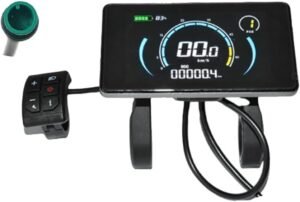
Electric Bike Colorful 808 LCD Disp…
YEHEI Operating temperature: -20 ° C ~ 60 ° CStorage temperature: -30 ° C ~ 70…

4pcs Bike Brake Pads, High-Performa…
Specification: Color: black Material: Metal Product Size: Brake Pads: 3.2×2.7cm/1.25×1.06in Metal Pins: 3.7cm/1.45inPackage details: 4 x…
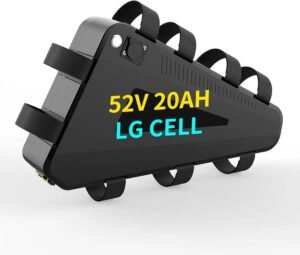
48V 52V Electric Bike Triangle Lith…
Applicable motors: 48V/52V 350W–2000W Nominal voltage: 48V/52V Rated Capacity: 20Ah Maximum Constant Current Discharge: 50A/40A (with…
