How to Choose the Right Electric Bike Helmet for Safer Riding
Riding an electric bike changes the speed, forces and exposure you face on every trip. A well-chosen helmet reduces your risk of serious head injury and increases your confidence—whether you’re commuting, touring or tackling trails.
Before you decide, learn what matters: fit, certification, helmet type and how your helmet pairs with your e-bike and riding style. Start with a reliable source of bikes and parts to understand the context of your ride: ElectricBikes.
Why a helmet matters for e-bike riders
Electric bikes often travel faster and cover longer distances than conventional bikes. That increases the kinetic energy in a crash and the time you spend exposed on roads or trails. A proper helmet helps absorb impact and protects vulnerable areas of the skull and brain.
Helmets are one part of a system that keeps you safe. Good brakes and well-maintained tires reduce crash risk in the first place—so check components such as Electric Bike Brake Pads regularly as part of your safety routine.
Types of helmets and when to choose each
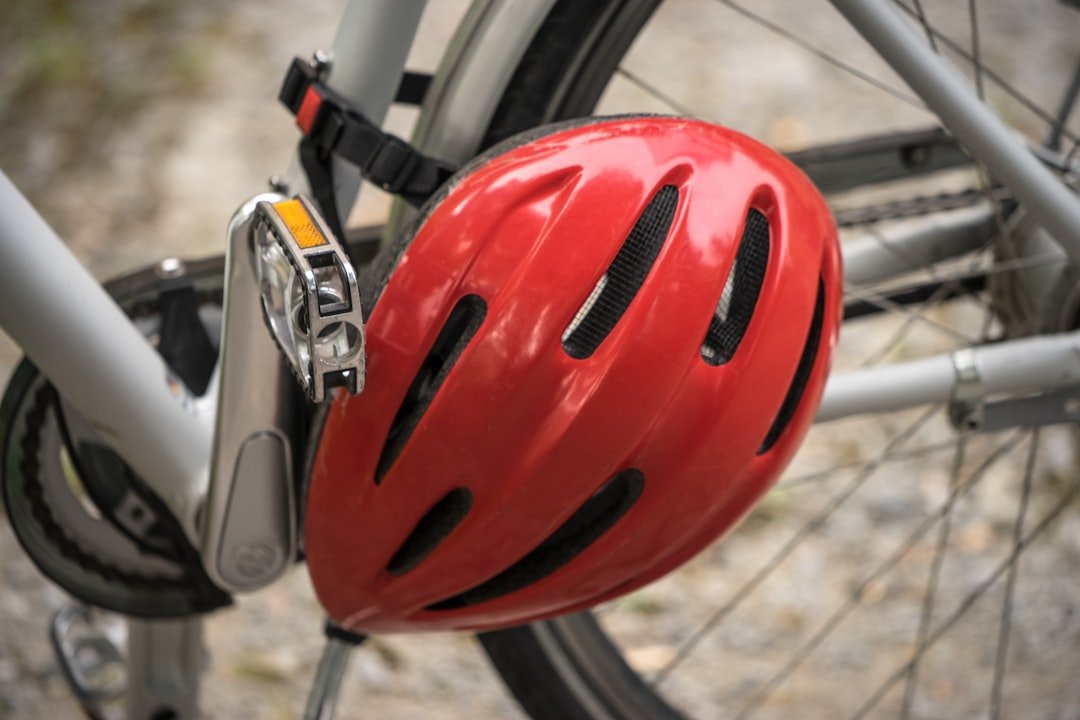
Helmet design varies by use. Road-style helmets prioritize ventilation and light weight. Mountain/MTB helmets add extended rear coverage and more face protection. Urban helmets focus on comfort and visibility. Choose the style that matches how and where you ride.
Fit and sizing: the non-negotiable basics
Fit beats features. A helmet should sit level on your head, low on the forehead, with the rim about one to two finger-widths above your eyebrows. The side straps should form a “V” under each ear and the buckle should sit comfortably under the chin. It must not rock when you shake your head.
Your helmet works together with your bike’s contact points—grip, geometry and traction. Worn or improper tires affect handling and can increase the chance of a fall, so pair a well-fitted helmet with reliable contact patches like quality Electric Bike Tires.
Safety standards and certifications to look for
Different regions have different certification marks: CPSC (US), EN 1078 (EU), AS/NZS (Australia/New Zealand). For higher-impact environments such as e-mountain biking, consider helmets meeting additional tests or multi-standard certifications. Certification indicates the helmet passed laboratory impact and retention tests—an essential baseline.
Key helmet features that make a practical difference
Prioritize these features in order:
- Fit system: dial adjusters or multiple pads for a snug fit.
- Retention and strap quality: robust buckles and strong straps that don’t stretch.
- Ventilation vs coverage balance: more vents cool better but reduce shell coverage—pick according to pace and climate.
- Lightweight construction: reduces neck fatigue on long rides.
- Visibility features: reflective materials, high-visibility colors or integrated lights.
- Crash technology: MIPS or other rotational-impact mitigation systems can reduce rotational forces in oblique impacts.
Choosing a helmet for different e-bike styles
Off-road e-biking places different demands on your helmet. If you ride trails, technical descents and fast singletrack, look for helmets that prioritize coverage and impact protection for varied terrain: Electric Mountain Bikes riders commonly use these styles.
For faster paved rides and commuting, aero and well-ventilated helmets reduce fatigue and increase comfort. If you mainly cruise city streets or do longer road-style rides, check helmets suited to the demands of Electric Road Bikes.
Urban commuters and multi-modal travelers often prefer compact, comfortable helmets that are easy to store and durable. Riders of compact and foldable e-bikes should consider helmets that balance protection with portability: Electric Folding Bikes owners often value that mix.
Storing and transporting your helmet properly
Helmets degrade if left in direct sunlight, hot cars or crushed under heavy gear. Use a dedicated bag when traveling to protect the shell and liner; a purpose-made transport pouch keeps straps and vents clean and prevents micro-cracks: consider accessories like Electric Bike Travel Bags for multi-item journeys.
Checklist: Quick helmet-buying checklist
- Measure head circumference and try helmets on before buying.
- Confirm certification(s) suitable for your region and activity.
- Test the retention system and strap comfort—wear gloves if you ride in winter.
- Choose appropriate coverage: road, urban, or trail-specific designs.
- Look for visibility options (reflective patches or built-in lights).
- Consider crash-mitigation features (MIPS or equivalent) if you ride at higher speeds.
- Plan for storage and travel—protect the helmet with a bag when transporting.
FAQ
Q: How often should I replace my helmet?
A: Replace a helmet after any moderate-to-severe impact and every 3–5 years depending on use, exposure to sunlight and visible wear. Even minor impacts can compromise the liner.
Q: Is a more expensive helmet always safer?
A: Not always. Price can reflect weight, venting, comfort and brand. Safety relies on certification and proper fit. More expensive models may offer added features like MIPS, lighter shells and better ventilation.
Q: Can I use a mountain bike helmet for road riding?
A: Yes—if it fits well and meets certification standards—but mountain helmets often weigh more and have different ventilation and aerodynamics. Match helmet choice to your typical riding conditions.
Q: How should I store my helmet at home to prolong life?
A: Store away from direct sunlight and heat. Hang it on a shelf or hook rather than leaving it on the floor. For compact storage solutions or combined bike-and-gear setups, consider a secure wall solution like Electric Bike Wall Mounts to keep both bike and helmet off the ground and out of harm’s way.
Q: Do helmets with visors reduce safety?
A: No—visors protect from sun and branches. Ensure a visor doesn’t interfere with peripheral vision or a glasses fit. Trail-specific helmets often integrate visors without compromising certification.
Conclusion
Choose a helmet that fits properly, meets relevant safety standards, and matches your riding style. Pair it with regular maintenance of brakes and tires, and store it carefully to preserve protection. A thoughtful helmet decision is one of the highest-return safety investments for any electric bike rider.
