How to Carry Cargo Safely on an Electric Bike
Carrying cargo on an electric bike opens up new possibilities: commuting with a laptop, grocery runs, small deliveries, or a weekend away. But extra weight changes how your e-bike handles, brakes, and balances. A few thoughtful choices—and the right gear—keep you safe and make trips predictable.
If you’re shopping for an e-bike or accessories before hauling loads, start with a broad view of models and mounting options at ElectricBikes. Knowing what’s available helps you match capacity to need.
Know your bike’s carrying limits
Every e-bike has limits: maximum supported rider + cargo weight, recommended rack capacities, and battery/motor placement that affect balance. Check the manufacturer’s spec first. If your bike has a factory rack rating of 25kg but you need to carry more regularly, consider purpose-built alternatives or a different bike designed for cargo.
Also note where the battery and motor sit—mid-drive systems keep weight centralized, while rear- or front-hub motors move mass to the wheel. That influences how additional cargo shifts handling and where to place loads.
Choose the right rack, bags and mounting points
Racks and bags designed for e-bikes distribute weight and reduce sway. A robust rear rack works well for heavier loads; low, rear panniers keep the centre of gravity down. For small items or tools, handlebar pouches can be handy but add steering inertia if loaded.
For a compact, versatile option that mounts to the bars and keeps items secure and accessible, consider a purpose-designed handlebar pouch like the Electric Scooter Bag | Mountain Bike Handlebar Pouch. It’s ideal for phones, snacks, and small tools—items you need without dismounting.
Secure cargo to prevent shifting
Loose items that slide or flip can unbalance the bike in a corner. Use panniers with internal dividers, roll-top waterproof bags with compression straps, or trunk bags with anti-slip bases. Elastic straps and cam-buckle tie-downs are good for odd-shaped loads; ratchet straps suit much heavier cargo.
For bottles and liquids, use secure mounts to avoid spills that affect your hands or the bike’s electronics. If you frequently carry drinks, fit a dedicated holder such as an insulated option from the Electric Bike Water Bottle Holders category to prevent sloshing and shifting.
Keep weight low and centered
Place the heaviest items as low and close to the bike’s center as possible. A low-mounted rear rack with panniers is better than piling weight high on the rear carrier. If you must carry a heavy top-load, pair it with a front load to rebalance the bike where possible.
When riding solo, test-ride with the load at slow speeds in a safe area. Practice starting, stopping, and leaning into turns to understand how the added mass changes the feel of the bike.
Upgrade braking and service brakes regularly
Extra weight increases stopping distance. If you plan to carry regular heavy loads, upgrade to stronger brake pads and larger rotors where your bike supports them. Well-bedded, high-quality pads restore predictable braking performance under load.
Replace worn pads promptly—consider options like 4pcs Bike Brake Pads, High-Performance—and bleed hydraulic systems as recommended to keep lever feel firm when your cargo increases stopping requirements.
Tires, pressure and suspension for heavier loads
Tire choice and proper inflation are crucial. Wider, puncture-resistant tires handle load stress better and reduce the risk of pinch flats. Check the tire’s maximum load rating and inflate to the recommended pressure for the combined rider-plus-cargo weight—often higher than solo riding pressures.
If you need robust tires for heavy and varied loads, look at options like heavy-duty fat e-bike tyres such as the YunSCM 26″ Fat E-Bike Tyres, which are designed for durability and stability under load.
Visibility and signaling when hauling cargo
Larger, heavier bikes often have obscured lights or reflectors when fitted with packs or racks. Ensure your bike’s front and rear lights remain visible above and around cargo. Add extra lighting and high-visibility bags or straps when you’re carrying bulky items.
For reliable signaling from a mounted cargo rack, consider lights specifically designed for rack mounting—browse the Electric Bike Lights category to find units suited to different mounting positions and brightness levels.
Transport and storage when not riding
When the bike is loaded for transport on a vehicle or stored, protect it from the elements and secure loose components. A water-resistant bike cover helps when leaving a loaded e-bike on a trailer or in storage; choose a durable cover for long-term protection.
If you need to store multiple bikes or a loaded bike safely, a heavy-duty bike cover like the SUPAREE 3 Bikes Bicycle Cover provides protection. For indoor storage and maintenance, a stable floor stand reduces stress on the bike frame and wheels.
Checklist: Quick safety steps before every loaded ride
- Check total weight against bike and rack limits.
- Secure all straps and use anti-slip pads for trunk bags.
- Inspect brakes and consider fitting upgraded pads like the 4pcs Brake Pads if pad wear is visible.
- Inflate tires to the recommended load pressure—use durable tyres such as YunSCM Fat Tyres for heavy loads.
- Confirm rear and front lights are unobstructed; fit additional rack lights if needed.
- Do a slow test ride in a safe area to feel handling changes.
FAQ
- How much weight can I safely carry on an e-bike?
Check the manufacturer’s maximum rider + cargo rating and the rack’s rated capacity. If in doubt, keep cargo under 20–25% of combined rider weight for typical commuter bikes, or use purpose-built cargo e-bikes for heavier loads.
- Are panniers better than backpacks for cargo?
Yes—panniers keep weight off your back, lower the centre of gravity, and reduce rider fatigue. Use waterproof, secure panniers for commuting and shopping.
- Should I upgrade my brakes before carrying heavy items?
Inspect brake pads and rotors; heavier loads increase stopping distance. Upgrading to higher-performance pads and ensuring your brake system is well-serviced is a smart safety step.
- Can I put batteries or fragile gear in a pannier?
Keep batteries in manufacturer-approved mounts or protective cases and avoid stacking heavy items on fragile gear. For fragile items, use padded interior compartments or dedicated hard-case mounts.
- Do I need special tires for loaded riding?
Wider, reinforced tires with higher load ratings are recommended for regular heavy loads. Increase pressure within the manufacturer’s recommended range for the combined weight.
Conclusion
Safe cargo carrying on an electric bike comes down to respect for limits, smart gear choices, and routine checks. Use racks and bags sized for your loads, keep weight low and centered, maintain brakes and tires, and ensure visibility. A short test ride with every new load will save you from surprises on the road.
For protective storage or transport before and after your trips, consider using a robust cover like the SUPAREE bike cover to keep your setup ready for the next ride.
Products Featured in This Article

4pcs Bike Brake Pads, High-Performa…
Specification: Color: black Material: Metal Product Size: Brake Pads: 3.2×2.7cm/1.25×1.06in Metal Pins: 3.7cm/1.45inPackage details: 4 x…

YunSCM 2PCS 26 Inches Fat E-Bike Ty…
To calculate the overall star rating and percentage breakdown by star, we don’t use a simple…

SUPAREE 3 Bikes Bicycle Covers Outd…
Product Description SUPAREE Bicycle Covers Outdoor Storage With its generous dimensions, SUPAREE Bike Cover Waterproof can…
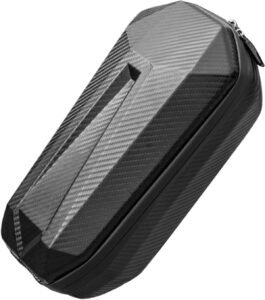
Electric Scooter Bag | Mountain Bik…
Large capacity electric scooter bag provides versatile storage, with a front tube pouch for easy access…
