Electric bikes make cycling easier, faster and more accessible — but the technology behind them can seem complex to new riders. This simple guide breaks down how e-bikes work, what each component does, and what to look for when choosing or maintaining one.
Read on for clear, practical explanations you can use before your first ride, when shopping, or when deciding whether to convert a regular bike into an electric one.
How an e‑bike differs from a regular bicycle
At its core an electric bike is still a bicycle: frame, wheels, brakes and gears. What changes is the addition of an electric motor, a battery, a controller and sensors that assist pedalling. That assistance can make hills and headwinds feel easier and extend the distance you can comfortably travel.
If you’re exploring models before buying, a good starting point is the site’s main category for models and types: Electric Bikes, which groups available styles and specs so you can compare features like range, motor power and frame types.
Key components explained: motor, battery, controller and sensors
Understanding the four primary systems helps you compare bikes and diagnose issues:
- Motor — provides propulsion and can be placed in the hub or near the crank.
- Battery — stores electrical energy; capacity and voltage determine range and power.
- Controller — the on‑board computer that manages power delivery between battery and motor.
- Sensors — cadence, speed or torque sensors tell the controller how much assistance to provide.
For riders who want to customize or replace parts, conversion and battery options are commonly available, including aftermarket packs such as the 48V 52V Electric Bike Triangle Lithium Battery Pack, which illustrates typical voltage and capacity choices for powerful setups.
Motors: hub vs mid‑drive — how they change the ride
There are two main motor layouts:
- Hub motors: located in the wheel hub; simpler, quieter, and often less expensive. They provide direct push to a wheel and are common on commuter and budget e-bikes.
- Mid‑drive motors: mounted near the cranks; they leverage the bike’s gears for better hill climbing and balanced weight distribution.
If you’re considering converting a bike to electric, the site lists both hub and mid‑drive conversion options; for hub-focused projects see the category for Electric Bike Hub Motor Kits.
Battery basics: capacity, range and charging tips
Battery capacity is measured in watt‑hours (Wh) or ampere‑hours (Ah) at a given voltage. Higher numbers mean more range but also more weight. Typical commuter batteries provide 300–700 Wh, while larger packs go beyond that for long-range or heavy cargo bikes.
Range estimates depend on pedal assistance level, rider weight, terrain and wind. Removable batteries simplify charging and security; many modern e-bikes, such as the URLIFE 26″ Electric Bikes for Adults, feature removable packs so you can charge indoors and swap batteries for extended trips.
Controls, displays and riding modes
Most e-bikes offer several assistance modes that change how much power the motor supplies. A basic system has low/medium/high PAS (pedal-assist), while more advanced bikes include throttle modes, walk-assist, and eco or boost presets controlled via a handlebar display.
Commuters benefit from simple, reliable controls with clear displays and quick access to modes. If your primary use is daily travel or urban errands, explore models in the Electric Commuter Bikes category to see how manufacturers balance features like battery size, motor power and display readability.
Safety systems: brakes, lights and practical checks
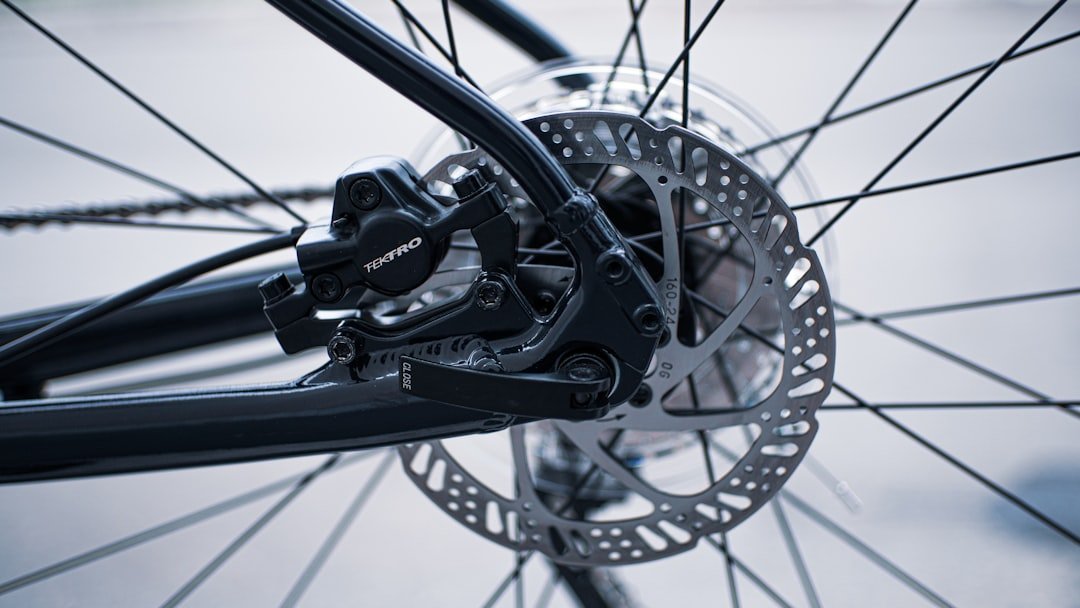
Because e-bikes can reach higher speeds than ordinary bicycles with less effort, robust braking and visibility are critical. Hydraulic or quality mechanical disc brakes offer consistent stopping power under load. Integrated lights, reflectors and a good helmet should be non‑negotiable.
When buying accessories or spare safety gear, consider certified helmets such as the Bike Helmet Men Mountain Bike Helmet, which fits many riders and complements defensive riding gear.
Maintaining and storing your e‑bike
Regular checks and proper storage extend reliability: keep the chain and drivetrain clean, check tire pressure, and test brakes before each ride. For seasonal storage or daily protection, use weatherproof covers or wall mounts to keep the bike dry and secure.
If space is tight, wall‑mount options make a big difference in neatness and protection—see storage solutions like Electric Bike Wall Mounts for ideas and products suited to different frame types.
Converting a regular bike: what to expect
If you like your current bicycle, a conversion kit can add electric assist without buying a new frame. Choices include hub motor kits for easier installs and mid‑drive kits for performance and hill climbing. Conversions require basic mechanical skill and attention to compatibility (wheel size, dropout spacing, battery mounting).
For riders focused on performance and pedal-feel, a popular aftermarket option is the TSDZ Mid Drive Conversion Kit, which includes a torque-sensing motor and display to provide a more natural assist than simple cadence-based systems.
Checklist: quick pre-ride and buyer reminders
- Battery charged and securely mounted.
- Tires inflated to recommended pressure.
- Brakes responsive and free of unusual noise.
- Lights functioning and visible (if riding at dawn/dusk/night).
- Display and modes working; perform a short test ride in a safe area.
- Lock or cover ready for parking—consider a cover or floor stand for storage.
FAQ
Q: How far can I expect to ride on a single charge?
A: Typical ranges are 20–80 km depending on battery capacity, assistance level and terrain. Manufacturer estimates are a starting point; real-world range varies with conditions.
Q: Do I need to pedal, or do e‑bikes work like scooters?
A: Most electric bikes use pedal-assist that requires pedalling to engage the motor. Some models also include a throttle, but rules vary by region—check local regulations.
Q: Can I ride my e‑bike in the rain?
A: Many e-bikes are weather-resistant but not fully waterproof. Avoid high-pressure water and prolonged exposure; dry and inspect electrical connections after wet rides.
Q: Is a mid‑drive or hub motor better for hills?
A: Mid‑drive motors typically outperform hub motors on steep terrain because they work through the bike’s gears, allowing more efficient torque delivery.
Q: How often should I charge the battery?
A: Charge after longer rides or when the battery reaches roughly 20–30% for longevity. Avoid deep discharges and store batteries at moderate charge if not used for extended periods.
Conclusion
Understanding the motor, battery, controller and sensors helps you choose an e-bike that fits your needs and maintain it for reliable service. Start with your intended use—commute, trail, cargo or conversion—and match the battery and motor style accordingly. A short test ride and the checklist above will keep your first miles safe and enjoyable.
Products Featured in This Article
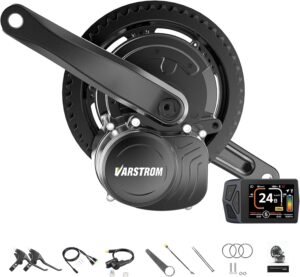
TSDZ Mid Drive Conversion Kit 36V 2…
Packing list: – 250 W mid-mounted motor. – Brake sensors. – EKD01 display. – Thumb throttle…
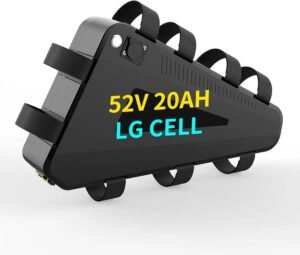
48V 52V Electric Bike Triangle Lith…
Applicable motors: 48V/52V 350W–2000W Nominal voltage: 48V/52V Rated Capacity: 20Ah Maximum Constant Current Discharge: 50A/40A (with…

URLIFE 26″ Electric Bikes for…
Product Description The video showcases the product in use.The video guides you through product setup.The video…

Bike Helmet Men Mountain Bike Helme…
From the brand Kids Bike Helmet Bike Helmet Adult Bike Helmet Composition: This is a road…
