Electric Bike vs Regular Bike: Which One Is Better for Your Lifestyle?
Choosing between an electric bike and a regular bike comes down to how you ride, where you ride, and what you want to get from cycling. Both have clear strengths: regular bikes are simple, light, and cheap to run; e-bikes extend range, reduce effort, and open up new trip possibilities.
This guide breaks down the differences, practical trade-offs, and real-world use cases so you can decide which option suits your daily life.
Key differences: power, effort, and range
Regular bikes rely entirely on human power. That makes them excellent for fitness, lightweight handling, and low maintenance. Electric bikes add a motor and battery that assist pedalling—so you expend less energy for the same speed or go faster with the same effort. The trade-offs: added weight, higher purchase price, and more complex maintenance (battery, motor, electronics).
Think about what you value most: a workout and minimal upkeep, or longer rides, hill assistance, and commuting ease. Those priorities will steer your choice.
Commuting and daily use: speed, sweat, and scheduling
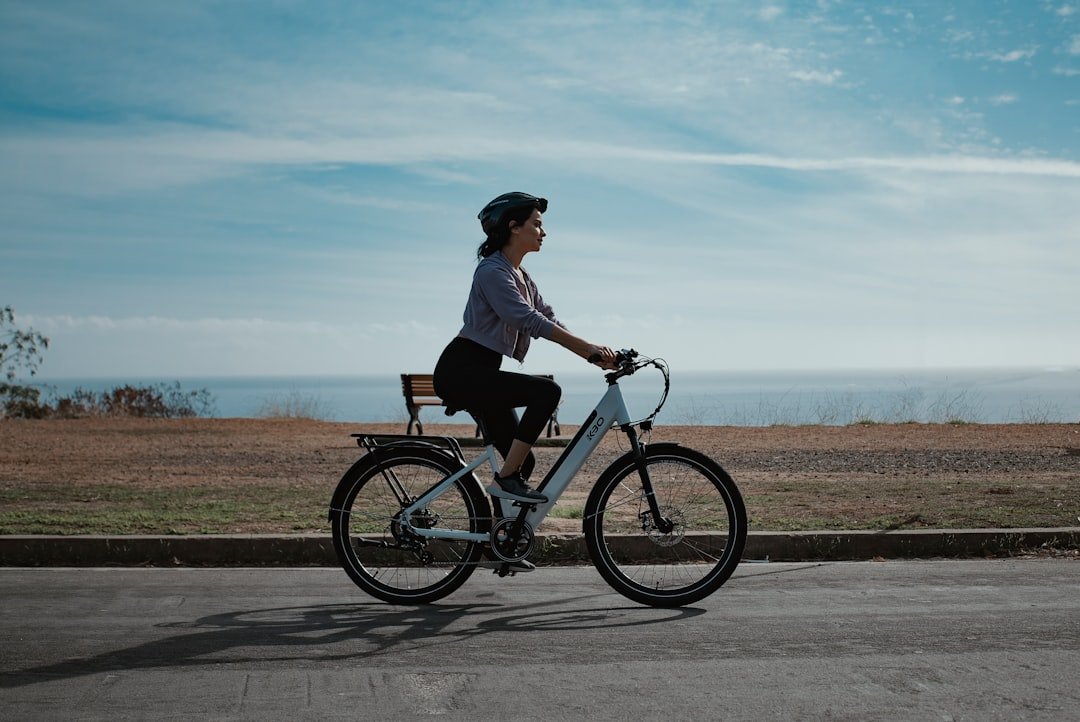
If you commute in mixed traffic, need to arrive without sweat, or want to cover longer distances without a car, e-bikes are especially practical. Many commuters opt for models designed for city use with racks and lights built in—see options tailored for daily trips like Electric Commuter Bikes.
Regular bikes work well when your commute is short, you enjoy a stronger workout, or you need the lightest possible bike for multi-modal trips (bike+train). Consider travel time, elevation, and whether you’ll need to carry work clothes or tools when deciding.
Fitness and health: exercise value of each
Regular bikes deliver more consistent cardiovascular and muscular training because all propulsion comes from you. If your main goal is calorie burn, interval training, or training for events, a conventional bike will usually offer better fitness returns per hour.
E-bikes can still contribute to fitness—many riders use pedal-assist at lower levels to preserve heart-rate benefits while enjoying longer rides or recovering from injury. They also increase the frequency and duration of rides for people who might otherwise skip cycling due to fatigue or time pressure.
Terrain and riding style: matching bike type to landscape
For trail and off-road riding where technical handling and suspension are important, electric mountain bikes change what’s possible: they let riders tackle longer climbs and reach farther trails in a single outing. If off-road is your priority, explore purpose-built options such as Electric Mountain Bikes.
On soft sand, snow, or rough mixed-surface routes, fat-tire e-bikes provide extra traction and comfort—useful for winter commuters or riders who enjoy adventure on unstable ground. Models focused on this niche include Electric Fat Tire Bikes.
Converting a regular bike: a middle ground
If you like your current bike but want occasional motor assist, conversion kits are a flexible option. Hub-motor kits fit into a wheel and are generally simpler and more affordable—good for commuters who want a discreet upgrade. See typical hardware choices like Electric Bike Hub Motor Kits.
For better hill performance and natural-feeling pedal assist, mid-drive conversion kits place the motor near the cranks and interact with the bike’s gears. These are more complex but offer superior torque and efficiency—investigate mid-drive options such as Electric Bike Mid Drive Conversion Kits.
Maintenance, parts, and running costs
Regular bikes are cheaper to maintain: tune-ups, tires, chains, and brake pads are simple and inexpensive. E-bikes add battery lifespan and motor servicing considerations. Parts like reinforced tires are often recommended for higher speeds and heavier loads—browsing dedicated components such as Electric Bike Tires can help you plan maintenance costs.
Expect the following ongoing costs for e-bikes: occasional battery replacement years down the line, possible controller or motor servicing, and slightly higher wear on drivetrain components due to extra weight and torque. Regular bikes avoid those particular costs.
Storage, transport, and accessories
If storage or multi-modal transport matters, folding e-bikes offer a compact solution that blends convenience with motor assist—ideal for apartment dwellers and mixed-commute users. Consider foldable options such as Electric Folding Bikes.
For drivers who combine car and bike trips, robust transport solutions are essential. Heavy e-bikes need sturdy carriers designed to handle extra weight—look at reinforced systems like Electric Bike Car Racks to move your e-bike safely.
Cost comparison and resale
Entry-level regular bikes can be very affordable, while e-bikes typically start higher due to battery and motor costs. Factor in expected lifespan of the battery (often 3–7 years depending on use), potential resale market (e-bikes hold value well in commuter markets), and whether a conversion kit could be a cost-effective compromise.
- Initial cost: regular bike < e-bike (generally)
- Running cost: regular bike < e-bike (due to battery replacement)
- Resale: depends on condition, make, and local demand—e-bikes can retain value if battery health is good
Quick decision checklist
- Commute >10 km or hilly? Consider an e-bike.
- Want maximum fitness benefit? Lean toward a regular bike.
- Limited storage or mixed transport? Look at folding e-bikes.
- Love your current bike but want assist? Explore hub or mid-drive conversion kits.
- Ride off-road or on loose surfaces? Fat-tire or electric mountain bikes are best.
FAQ
- Will an e-bike make me lazy? No — e-bikes reduce effort but still require pedalling; you control assist levels to keep workouts effective.
- Can I convert any bike to an e-bike? Many bikes are convertible, but frame clearance, brake type, and wheel size affect compatibility; hub and mid-drive kits address different setups.
- How long do e-bike batteries last? Typical useful lifespan is 3–7 years depending on charge cycles, storage, and care.
- Are e-bikes more expensive to insure or register? Regulations vary by region; in many places e-bikes do not require registration but check local rules.
- Do I still need to maintain brakes and tires on an e-bike? Yes—e-bikes are heavier and faster, which can increase wear on brakes and tires, so regular checks are important.
Conclusion: Choose based on how you ride. If daily commuting, hills, or longer-distance trips are common, an e-bike or conversion kit will increase reliability and enjoyment. If training goals, minimal maintenance, or low upfront cost are top priorities, a regular bike remains the better choice.
Practical takeaway: list your typical trip distance, elevation, storage constraints, and fitness goals; then match those needs to a regular bike, a purpose-built e-bike, or a conversion path to make the best long-term choice.
