Electric Bike Charging Tips: How to Charge Your E-Bike the Right Way
Charging an electric bike correctly extends its battery life, keeps performance consistent, and reduces the risk of damage or fire. Whether you ride a commuter, mountain e-bike, or a converted bike, a few simple charging habits make a big difference.
If you’re shopping for a new model or comparing replacement parts, start with reliable sources like ElectricBikes to understand how different bikes and batteries affect charging routines.
Know your battery type and specs
Most e-bike batteries are lithium-ion, but voltage and capacity vary — common systems are 36V, 48V and higher. Check the battery label for nominal voltage (V), capacity (Ah), and recommended charger specs. If you’re replacing or upgrading a pack, choose one matched to your motor and controller; for example the 48V 52V Electric Bike Triangle Lithium Battery Pack shows how voltage and capacity determine compatibility and charging current.
Use the correct charger and connectors
Always use the charger specified by the manufacturer or an exact replacement designed for your battery chemistry and voltage. Cheap or mismatched chargers can overheat cells or fail to balance the pack. Pay attention to connector type and polarity. If you’ve converted a bike with a kit, follow the kit’s charger guidance — for mid-drive conversions, refer to specifics for kits like the TSDZ Mid Drive Conversion Kit 36V 250W TSDZ-2B, where optional batteries and chargers must match the motor controller.
Charge routine: partial top-ups vs full cycles
For daily use, frequent partial top-ups (keeping the battery between ~20–90%) are healthier than repeatedly doing full 0–100% cycles. Avoid deep discharges whenever possible — lithium packs suffer most when left fully depleted. If you do a long ride then recharge to full before storage, do it soon after the ride but allow the battery to cool first.
If you’re using a converted bike or replacement cells, consult the vendor category for proper packs: Electric Bike Battery Conversion Kits often include charging recommendations specific to the battery they supply.
Where and how to charge at home
Charge in a well-ventilated, dry area away from direct sunlight and extreme temperatures. A stable shelf or bench is fine, but if you keep your bike mounted, consider a sturdy option that allows safe charging while stored upright — for example, Electric Bike Wall Mounts that free floor space and let you plug in without moving the bike.
Charging when traveling or on trips
For multi-day trips or flights, plan how you’ll carry the charger and battery. Removable batteries are easiest to carry and charge in hotels or service stops. Use padded, protective storage and keep the charger and cable in a separate compartment to avoid crushing or shorting contacts. If you need travel-specific storage, check options like Electric Bike Travel Bags which help protect batteries and chargers in transit.
Transporting your e-bike safely
When transporting a bike by car, remove the battery if possible and secure it to prevent movement, impact or short circuits. Use a proper bike carrier or rack rather than loose placement in a trunk; for car transport solutions see Electric Bike Car Racks. If you must transport with the battery installed, ensure the power is switched off and the battery is locked.
Storage and long-term care
Store batteries at around 40–60% state of charge for long-term storage, in a cool dry place (not below freezing and not hotter than ~20–25°C ideally). A climate-controlled garage or cupboard is better than an uninsulated shed. Use protective covers if storing the bike outdoors; weatherproof options like Electric Bike Covers help protect the bike from moisture and UV if you have to leave it outside temporarily.
Safety tips and common troubleshooting
- Never charge a visibly damaged or swollen battery; contact a professional for disposal.
- If the charger gets unusually hot, unplug it and test with a known-good charger or have the battery tested.
- A battery that won’t charge beyond a low percentage may have a faulty cell or BMS; seek qualified service.
- Keep battery contacts clean and dry; small amounts of corrosion can cause poor charging or heating.
- Do not leave batteries charging unattended for extended periods in an unmonitored area.
Checklist: Quick charging do’s and don’ts
- Do: Use the manufacturer-recommended charger.
- Do: Charge in a ventilated, cool, dry spot.
- Do: Top up regularly; avoid deep discharges.
- Do: Remove battery for travel and lock it down during transport.
- Don’t: Use mismatched voltage chargers.
- Don’t: Store at 100% or 0% for long periods.
- Don’t: Charge near flammable materials.
- Don’t: Ignore swelled or damaged packs — dispose safely.
FAQ
Q: How long should I charge my e-bike battery?
A: Follow the charger’s indicator; typical full charges take 3–8 hours depending on capacity and charger amperage. Partial top-ups take less time and are fine for daily use.
Q: Is it OK to leave the charger plugged in overnight?
A: Modern chargers usually stop charging once full, but it’s safer to unplug when complete. If leaving plugged overnight, ensure the charger is on a non-flammable surface and in a ventilated area.
Q: Can I use a car’s 12V socket to charge my e-bike?
A: Only with a proper inverter or dedicated car charger designed for your battery; avoid jury-rigged setups. Check vehicle and battery manufacturer guidance first.
Q: How should I store a battery in winter?
A: Store indoors in a cool, dry place at ~40–60% charge. Avoid freezing temperatures and fully charged packs left for months.
Q: My battery feels hot after charging — is that normal?
A: Mild warmth is normal. Excessive heat, swelling, or persistent high temperature indicate a problem; stop using and seek professional inspection.
Conclusion
Regular, mindful charging habits — matched charger, sensible top-ups, cool storage, and safe transport — keep your e-bike reliable and prolong battery life. Start with the right equipment, follow manufacturer guidance, and inspect the battery regularly for changes. Small routines will prevent big problems and keep your rides consistent.
Products Featured in This Article
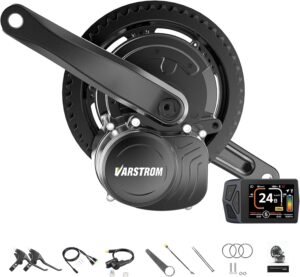
TSDZ Mid Drive Conversion Kit 36V 2…
Packing list: – 250 W mid-mounted motor. – Brake sensors. – EKD01 display. – Thumb throttle…
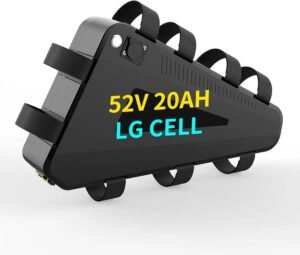
48V 52V Electric Bike Triangle Lith…
Applicable motors: 48V/52V 350W–2000W Nominal voltage: 48V/52V Rated Capacity: 20Ah Maximum Constant Current Discharge: 50A/40A (with…
