Electric Bike Buying Guide: Key Features to Understand Before Choosing One
Choosing an electric bike is more than picking a color or a price tag. The right e-bike matches your daily needs, terrain, and maintenance willingness—get those basics right and you’ll have a reliable, enjoyable ride for years.
This guide walks through the essential features to compare and questions to ask before you buy. Use it to narrow options, spot trade-offs, and avoid common mistakes.
1. Match the bike type to your use case
Start by deciding how you’ll use the bike most: commuting, off-road, weekend trips, hauling kids or groceries, or relaxed weekend rides. For daily city travel look at models built for urban efficiency and comfort like Electric Commuter Bikes. Knowing your primary use narrows motor, battery and frame choices quickly.
2. Style and comfort matter — cruiser vs sporty
Frame geometry, handlebar height, and saddle choice determine comfort. If you want an upright, relaxed ride for short trips and flat terrain, consider models in the cruiser category—comfortable seating and simple controls are their strengths. Browse options such as Electric Cruiser Bikes to compare ergonomics and ride posture before deciding.
3. Motor types: hub motors vs mid-drive
Motors affect performance, handling, and maintenance. Rear-hub motors are common, simple and cost-effective; mid-drive motors offer better hill climbing and more balanced weight distribution. If you’re thinking conversion or upgrading, mid-drive solutions are popular for their torque and efficiency—see a representative option like the TSDZ Mid Drive Conversion Kit 36V 250W to understand mid-drive benefits and fit considerations.
4. Battery capacity, placement and realistic range
Battery capacity (Wh) is the single biggest factor in range. Manufacturers often quote ideal ranges—expect actual range to be lower based on rider weight, speed, elevation and assist level. Look for smart battery features: removable for charging, BMS protection, and good warranty. For larger capacity and fast-charging options, compare packs like the 48V 52V Electric Bike Triangle Lithium Battery Pack.
5. Frame, fit and portability — are you storing or folding?
Fit affects control and comfort: reach, standover height and crank length should match your body. If storage space, multi-modal travel, or easy car transport are priorities, folding designs are worth considering. Compare folding models to test folding mechanisms, lock reliability and ride compromises at Electric Folding Bikes.
6. Tires, brakes and suspension — choose for terrain
Tire type and width change comfort and traction. Wider, grippy tires and robust suspension suit rough trails and inclement conditions; lighter, narrower tires roll faster on pavement. For off-road or mixed-surface riders, explore mountain e-bike designs built for trail control and stopping power at Electric Mountain Bikes. Prioritize hydraulic disc brakes if you plan frequent high-speed descents or heavy loads.
7. Cargo, family and multi-rider needs
If you need to carry children, groceries or gear, look for frames and racks rated for added load and configurations that accept child seats or cargo boxes. Cargo-specific frames and longtail designs provide stability and mounting points—see the structural differences and options available in the Electric Cargo Bikes category.
8. Transport, storage and essential accessories
Think about how you’ll move and store the bike. If you plan to transport bikes on a car frequently, a robust, e-bike-capable rack saves frustration—check out category options such as Electric Bike Car Racks. Also budget for a quality helmet, lock and a servicing kit; these affect long-term ownership cost and security.
Checklist: What to compare before you buy
- Primary use (commute, trail, cargo, leisure)
- Motor type and power (hub vs mid-drive; peak vs continuous torque)
- Battery capacity (Wh), removable vs fixed, warranty
- Frame fit (reach, standover) and weight
- Tires, brakes and suspension suitable for your terrain
- Load capacity and cargo options if needed
- Transport/storage needs (rack, folding, travel cases)
- After-sales support, parts availability and local service
FAQ
- How far will an e-bike go on a single charge?
Range varies widely: typical commuter e-bikes often achieve 30–80 km per charge depending on battery size, assist level, rider weight and terrain. Use quoted Wh to estimate—more Wh equals more range.
- Is mid-drive better than a hub motor?
Mid-drive offers better hill performance and balanced weight for technical riding; hub motors are simpler and often less expensive. Choose based on terrain and maintenance preferences.
- Can I convert my current bike to electric?
Yes—conversion kits exist for both hub and mid-drive setups, but compatibility with frame geometry and brakes matters. Conversions can be cost-effective but check local laws and installation quality.
- What maintenance does an e-bike need?
Routine care includes chain and drivetrain maintenance, brake checks, tire pressure and periodic battery health inspections. Motor and electrical checks are advised annually or per manufacturer guidance.
- Are e-bikes legal everywhere?
Regulations differ by country and region: speed limits, power caps, and licensing rules can apply. Check local rules before choosing a model and using it on public roads.
Conclusion
Start with honest answers about how and where you’ll ride, prioritize motor and battery choices that match that use, and factor in fit, safety and transport. Use the checklist to compare models side-by-side and test-ride before buying—the right compromise delivers convenience, reliability and enjoyment.
Products Featured in This Article
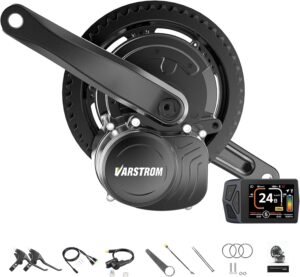
TSDZ Mid Drive Conversion Kit 36V 2…
Packing list: – 250 W mid-mounted motor. – Brake sensors. – EKD01 display. – Thumb throttle…
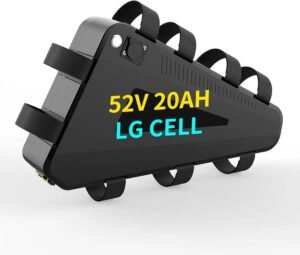
48V 52V Electric Bike Triangle Lith…
Applicable motors: 48V/52V 350W–2000W Nominal voltage: 48V/52V Rated Capacity: 20Ah Maximum Constant Current Discharge: 50A/40A (with…
