Eco-Friendly Travel Guide: How Electric Bikes Help Make Daily Rides Cleaner
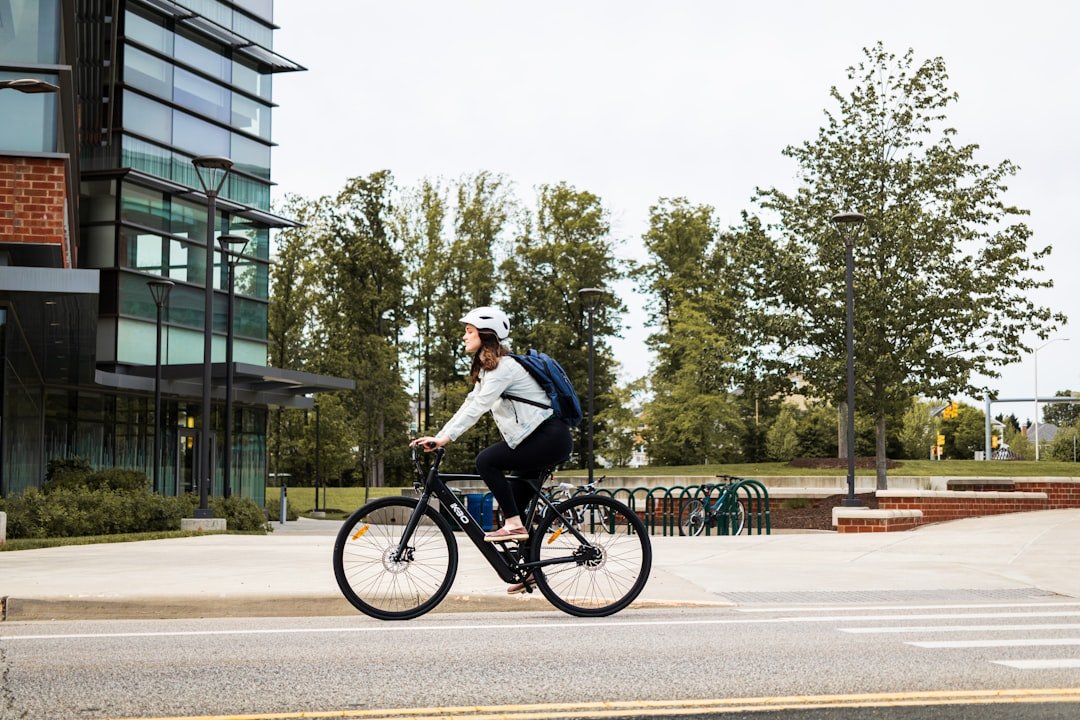
Commuting, errands and short trips add up — both in time and environmental impact. Shifting from car or public transport to an electric bike for everyday journeys is one of the most practical, immediate ways to reduce emissions, cut congestion and improve local air quality.
Whether you’re buying an e-bike or adapting your current bicycle, understanding how electric bikes fit into a low-carbon lifestyle helps you make smarter choices. Start by exploring core options and accessories on the site: Electric Bikes.
How electric bikes reduce emissions and urban pollution
Electric bikes use a small electric motor to assist human pedaling. Compared with petrol-powered cars, e-bikes consume far less energy per kilometer and typically rely on grid electricity that, depending on local supply, can be substantially cleaner than burning fossil fuels directly. They also reduce stop-and-go idling and free up road space, lowering localized particulate matter and NOx emissions.
Other environmental benefits include lower lifecycle material demands for e-bikes versus cars, fewer parking space needs, and incentives to replace short car trips (which are disproportionately polluting) with zero-emission movement for first- and last-mile travel.
Choosing the right e-bike for cleaner daily rides
Select a bike that matches your typical trip profile to maximize environmental gains. For regular road commuting and longer urban rides, lightweight performance-oriented models can replace car trips efficiently; consider browsing options like Electric Road Bikes for faster, more energy-efficient choices.
Key selection criteria: range per charge, motor assistance levels, weight, cargo capacity, and weather protection. Prioritize models with intuitive pedal assist (PAS) systems so you still get exercise while reducing battery use.
Retrofitting your bike: conversion kits and when to choose them
If you already own a reliable frame, converting it can be greener than buying a new e-bike. Mid-drive conversion kits integrate at the crank for efficient hill climbing and balanced handling; check conversion options such as Electric Bike Mid Drive Conversion Kits when considering upgrades.
Benefits of conversion kits: lower material footprint than a new bike purchase, reuse of existing components, and the ability to tune power and range to your needs. Ensure compatibility with your bike’s bottom bracket and gearing, and plan for professional installation if you’re unsure.
Batteries and charging: reduce carbon impact through smarter use
Battery choice and charging behavior strongly affect the environmental footprint of e-bikes. Modern lithium batteries offer high energy density and long lifecycles when maintained properly; look at quality cells under Electric Bike Batteries when replacing or upgrading packs.
Best practices for lower impact:
- Charge with the grid during off-peak hours if your electricity mix is cleaner then.
- Use the correct charger to maximize battery life — see compatible Electric Bike Battery Chargers.
- Avoid leaving batteries at 100% or 0% for long periods; aim for storage between 30–80% charge for longer lifespan.
Safety and accessories that encourage more e-bike trips
Riders are more likely to choose an e-bike if trips feel safe and convenient. High-visibility lighting, reflective gear and reliable tail lights are essential for commuter confidence — explore lighting and safety gear like Electric Bike Lights for front illumination and Electric Bike Tail Lights for clear rear signaling.
Other useful accessories: mudguards for wet seasons, racks or baskets for shopping, and insulated holders or bottles to stay hydrated on longer rides. Equipping the bike to meet daily needs reduces reliance on cars for errands.
Maintenance, durability and lifecycle considerations
Cleaner travel depends on bikes staying in service. Regular maintenance extends an e-bike’s life and reduces the need for replacement parts. Replace worn tires and brake pads promptly — for robust traction on urban surfaces, see suitable Electric Bike Tires.
Routine checks: tire pressure, brake responsiveness, electrical connections, and battery health. Keeping an e-bike well-maintained prevents early disposal and reduces embodied emissions across the product lifecycle.
Practical route planning and daily habits
Optimize trips to make the most of e-bike advantages. Combine errands into a single ride, prefer dedicated cycling routes to reduce stop/start energy use, and use lower assistance modes for gentle pedaling to extend battery range and preserve fitness.
For winter or rainy days, have a plan B like folding transport or sheltered storage to keep the bike usable year-round. Proper storage (covered, dry, moderate temperature) also preserves battery and electronics longevity.
Checklist: Start riding cleaner today
- Choose a bike or kit matched to your commute distance and terrain.
- Follow battery charging best practices and use the right charger.
- Install quality lights and tail lights for visibility.
- Keep tires and brakes in good condition; check pressure weekly.
- Plan combined trips and use lower assistance modes when feasible.
- Maintain the bike regularly to maximize lifespan.
FAQ
- Do e-bikes really lower my carbon footprint?
Yes — for most short-to-medium trips, an e-bike’s energy use per km is a fraction of a car’s, especially if you replace car trips rather than adding new journeys. - How far can I expect to ride on a single charge?
Range depends on battery capacity, rider input, assist level, terrain and load. Typical commuter ranges are 30–80 km; practicing efficient assist use extends range. - Can I convert my existing bike to electric?
Often yes. Mid-drive and hub motor kits exist for many frames; check compatibility and professional installation options before buying a kit. - How should I store the battery over winter?
Store in a cool, dry place at around 30–60% charge and avoid prolonged full or empty states. Bring batteries indoors if cold temperatures are extreme. - What safety gear is essential for commuting?
Bright front and rear lights, reflective clothing, and a helmet are baseline. Good tires and responsive brakes improve control; maintain them regularly.
Conclusion: One practical takeaway
Start small: replace one regular short car trip per week with an electric bike ride, and scale up. Choose the right bike or conversion solution, follow straightforward battery and maintenance practices, and equip your bike with proper lights and tires. Those steps make your daily rides cleaner now and build momentum toward broader transport change.
