Best Ways to Increase Electric Bike Battery Life
Battery health is the single biggest factor in how useful your electric bike will be over time. The cells inside your pack are sensitive to charge patterns, temperature, and mechanical stress; careful habits extend range, reduce replacement frequency, and keep performance steady.
This guide gives practical, trustworthy steps you can take today — from charging routines and storage to riding technique and simple maintenance — with clear, actionable advice you can apply whether you ride a commuter, folding, or mountain e-bike.
1. Know your battery: chemistry, capacity and ratings
Start by identifying the battery type (most modern e-bikes use lithium-ion) and its voltage and amp-hour rating. Higher voltage packs like the 48V–52V triangle battery pack offer more usable energy and can be a good upgrade for range, but they require matching chargers and a compatible BMS. Know the cell chemistry and nominal voltage before changing charging behaviour or fitting upgrades.
2. Charge smart: avoid extremes and top up
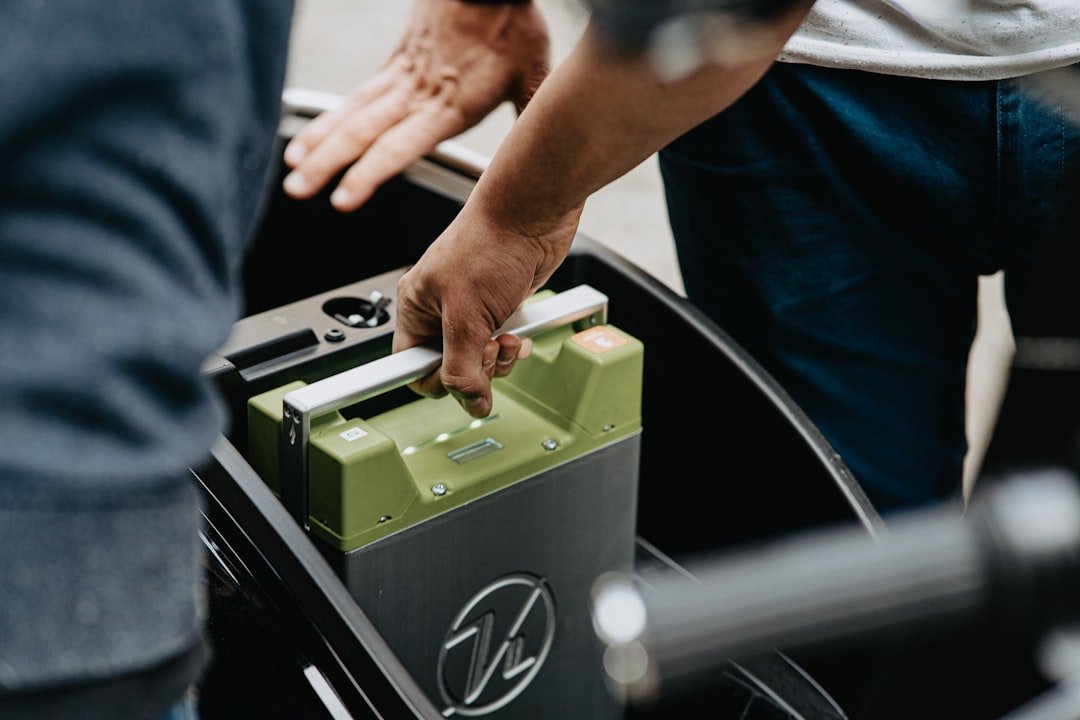
Charging habits matter more than charging speed. Avoid full discharges below the manufacturer’s recommended minimum and avoid keeping the pack at 100% for long periods. For everyday use, charge to around 80–90% and top up before rides rather than letting the battery go flat. If your bike has a removable pack — as on models like the Finbike U4 — remove the battery to charge indoors at stable room temperature for best longevity.
3. Store batteries at the right state of charge and temperature
Long-term storage is when batteries degrade fastest if done incorrectly. Store packs at about 40–60% state of charge in a cool, dry place — not next to radiators or in a damp shed. Protect the bike and pack from weather and UV with a purpose-made cover like an electric bike cover, especially if you must keep the bike outdoors for short periods.
4. Use proper storage mounts and reduce mechanical stress
How you store your bike influences battery life indirectly. Keeping an e-bike upright, secure and off the damp ground reduces exposure to moisture and cable strain. If you have limited space, use a dedicated solution such as electric bike wall mounts to keep the bike stable and allow airflow around the battery pack, reducing thermal buildup that accelerates aging.
5. Ride efficiently: cadence, assistance levels and route planning
How you ride has a direct effect on battery wear and cycle count. Use pedal-assist modes sensibly: rely on the motor for starts and hills, but pedal to maintain higher cadence where possible. For daily trips, tuning your assistance and speed conserves battery cycles. Commuters who optimize gears and assist settings on dedicated electric commuter bikes can often double practical range compared with full-throttle riding.
6. Maintain the electrical system and consider conversion options carefully
Corroded connectors, damaged wiring, or a faulty controller can create parasitic drains and reduce usable capacity. Regularly inspect connectors and the BMS area for dirt and moisture, and keep contacts clean and tight. If your battery is beyond economical repair, a reliable route is to consult conversion or replacement options — for example, certified electric bike battery conversion kits and reputable packs — rather than fitting cheap, mismatched cells.
7. Keep tyres, brakes and drivetrain in good order
Mechanical drag forces the motor to work harder and drains the battery faster. Maintain correct tyre pressures, true wheels, and a clean, well-lubed chain. For tyre choices and correct sizes, look up suitable electric bike tyres that match your weight and riding conditions; lower rolling resistance tyres improve range and reduce strain on the battery.
8. Upgrade, repair or replace with awareness
When to upgrade: if capacity drops below ~60–70% and your range or performance suffers, replacement is sensible. Choose a pack with the right voltage, capacity and BMS. For riders who need compact storage or multi-modal transport, consider bikes designed for easy battery removal and swapping, or foldable models that pair well with modular packs — see options for electric folding bikes. Always match battery chemistry and BMS specifications to the motor and controller.
Checklist: Daily and monthly actions
- Daily: top up to 80–90% rather than full charge; avoid fully discharging.
- Weekly: wipe contacts, check tyre pressure, inspect for water intrusion.
- Monthly: run a moderate full charge/discharge cycle if your manual recommends it; check software/firmware updates.
- Storage: leave battery at ~50% and in a cool, dry place; consider removing the pack for winter storage.
- Replacement: when capacity is significantly reduced, select a compatible, quality pack.
FAQ
Q: How often should I charge my e-bike battery?
A: Charge after each ride if you need range, but avoid charging to 100% every time. For routine storage, keep it at 40–60%.
Q: Can I leave the charger connected overnight?
A: Modern chargers usually protect against overcharge, but keeping the battery at 100% long-term stresses cells. Unplug when the battery reaches a high state of charge.
Q: Does cold weather damage the battery?
A: Cold reduces immediate capacity and stresses cells if charged below freezing. Warm the battery indoors before charging and store the pack in a temperate place when possible.
Q: Is it safe to replace cells or use third‑party packs?
A: Only use packs that match voltage, connector type and BMS specs. Poor-quality or mismatched cells can be unsafe; use reputable kits or professional installation when replacing packs.
Q: Will regenerative braking extend battery life?
A: Regen recovers a small amount of energy and reduces brake wear, but its main benefit is extending range, not dramatically extending long-term battery life.
Conclusion
Small changes in charging habits, storage, and riding style add up to significant battery life improvements. Keep the pack cool and partially charged for storage, ride efficiently, maintain mechanical systems, and choose compatible replacement packs when needed. Follow the checklist and inspect components regularly — consistent care is the most practical and cost-effective way to extend your e-bike battery life.
Products Featured in This Article
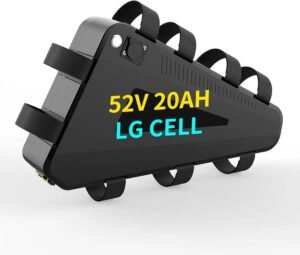
48V 52V Electric Bike Triangle Lith…
Applicable motors: 48V/52V 350W–2000W Nominal voltage: 48V/52V Rated Capacity: 20Ah Maximum Constant Current Discharge: 50A/40A (with…
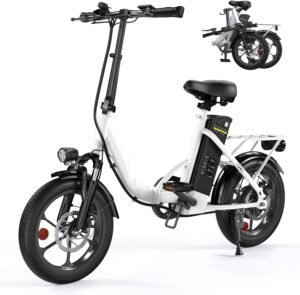
Finbike U4 Electric Bike, 16″…
Max Range: 60KM in pedal assist mode (depending on various factors, such as road conditions, user’s…
