Electric Bike Weight Guide: Why It Matters for Storage, Riding, and Transport
Weight is one of the most practical decisions you make when choosing, storing, or transporting an electric bike. It affects range, agility, how you lift and lock the bike, and which transport solutions you can use. This guide explains where the weight comes from, why it matters in real use, and how to manage it.
Below you’ll find clear, actionable guidance for riders, commuters, and vehicle owners—plus a concise checklist and FAQ to help you make short-term and long-term choices that keep your e-bike easy to use and store.
Why e-bike weight matters
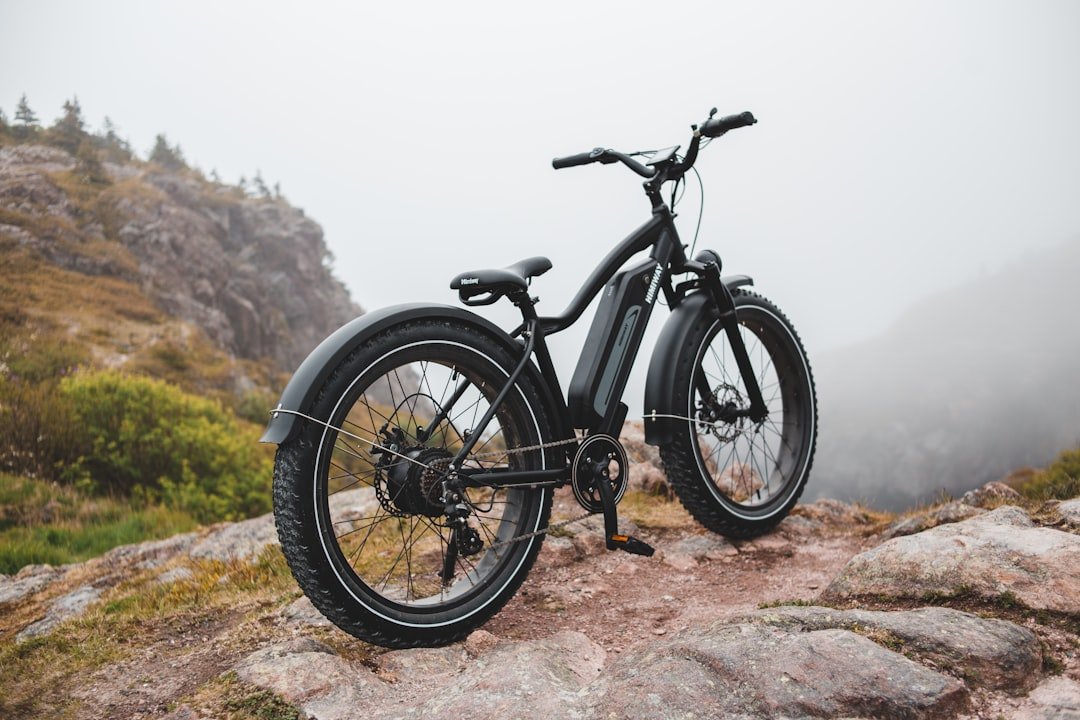
Electric bikes are heavier than conventional bikes because of batteries, motors, and reinforced frames. That extra mass influences climbing performance, acceleration, and handling. It also determines storage needs (wall hooks vs. floor stands), the type of car rack you can use, and whether a folding or removable-battery model makes sense for your routine.
Main components that add weight
A few components account for most of an e-bike’s extra kilos:
- Battery packs — the single biggest contributor to weight and often the easiest to change when seeking lighter setups. Compare capacities and form factors when shopping for lighter options: Electric Bike Batteries.
- Motor systems — hub motors and mid-drives vary in mass; aftermarket options change weight distribution and total load. If you’re converting a bike or replacing a motor, check the different kit weights: Electric Bike Hub Motor Kits.
- Wheels and tyres — heavy-duty tyres designed for puncture resistance and load capacity weigh more and can add rolling resistance: consider tyre selection as part of your weight strategy: Electric Bike Tires.
- Accessories — racks, lights, panniers and locks add incremental weight that matters over time.
How weight affects riding and range
Weight changes how an e-bike feels and performs:
- Acceleration and hill climbing: heavier bikes require more power to accelerate and climb; batteries drain faster under load.
- Handling: more mass lowers agility—turning and quick manoeuvres feel slower, especially at low speeds.
- Range: while electric assist compensates for weight, higher mass increases energy consumption and reduces range, particularly in stop-start urban riding or steep routes.
Storage: space, lifting, and protection
How you store an e-bike depends on weight and dimensions. Heavier models need sturdy floor stands or properly rated wall anchors. Choose covers or weatherproof storage to avoid leaving a heavy bike exposed for long periods: Electric Bike Covers.
If you have limited floor space but your bike is heavy, invest in robust hardware that handles the load without risking damage to the bike or wall. A compact, secure option designed for e-bikes will make daily storage easier: Bicycle Holders Home Storage Rack.
Transport: car racks, carrying limits and travel
Transporting an e-bike by car requires checking weight limits for roof, hitch, and trunk systems. Not all racks are rated for e-bikes—choose carriers specified for heavier cycles. For trunk-mounted carry, a specialist design that supports extra weight and secures the frame reduces risk of damage. For a trunk solution compatible with heavier bikes, consider options such as the Shield Autocare trunk-mounted carrier: Shield Autocare 3 Bike Rack Car Bic…
Choosing a portable or folding e-bike
If lifting and tight storage are priorities, a lightweight or folding e-bike can solve many problems. Models with removable batteries and compact frames make car travel and public transport easier. Portable models are optimised to balance rideability and carry weight—use them if you frequently carry your bike up stairs or onto trains. For a compact, user-friendly example, look at lightweight portable e-bikes like the Finbike U4: Finbike U4 Electric Bike.
Converting or upgrading: weight trade-offs
Converting a regular bike to electric or upgrading components brings weight trade-offs. Hub motor conversion kits can be convenient, but they add wheel mass and rotational inertia; mid-drive conversions centralise mass but often require a beefier frame. If you’re considering a conversion, know how each option shifts weight and affects handling: Electric Bike Hub Motor Kits can be heavier but are simpler to fit than some alternatives.
Lifting, moving and daily handling tips
Practical techniques reduce strain and risk of damage:
- Use a bike ramp or tailgate assist when loading into vehicles.
- Lift with knees, keeping the bike close to your torso; avoid twisting.
- Consider a foldable ramp, or a friend when lifting heavier models.
- Install a wall mount or floor stand rated for e-bike loads to keep the bike off the ground and reduce clutter: Electric Bike Wall Mounts.
Checklist: Quick decisions about e-bike weight
- Do you need frequent lifting? Choose removable-battery or folding models.
- Will you transport by car? Verify rack load ratings and dimensions.
- Is storage limited? Select a wall mount or vertical stand rated for your bike.
- Want better range? Balance battery capacity against added weight.
- Converting an existing bike? Compare hub vs mid-drive kit implications for mass and handling.
FAQ
- Q: How much heavier is an electric bike than a regular bike?
A: Typical e-bikes weigh 10–25 kg more than comparable non-electric bikes, largely depending on battery size and motor type. - Q: Will a heavier battery always reduce range?
A: Not always—larger batteries increase capacity and can extend range, but they raise the bike’s mass, which increases energy use under load. Balance capacity and weight for your routes. - Q: Can I store an e-bike on a normal bike wall hook?
A: Only if the hook and wall fixings are rated for the e-bike’s weight. Use mounts and anchors specified for e-bikes. - Q: Do tyre upgrades significantly affect weight and ride quality?
A: Yes—heavier, puncture-resistant tyres increase rolling resistance and weight but improve durability and load capacity. - Q: Are conversion kits heavier than purpose-built e-bikes?
A: It varies; hub motor kits add wheel mass, while mid-drive kits concentrate weight centrally. Purpose-built e-bikes often optimise weight distribution better.
Conclusion — practical takeaway
Think of e-bike weight as a system decision: battery capacity, motor type, tyres, accessories, and storage all interact. Prioritise what matters most—portability, range, or durability—and choose components and storage solutions rated for your bike’s mass. Small changes (lighter tyres, removable batteries, proper mounts) make everyday use easier without sacrificing utility.
Products Featured in This Article
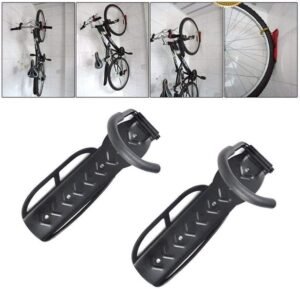
Bicycle Holders Home Storage Rack W…
Product Description BERHICHAD Bicycle Holders Home Storage Rack Wall Mounted Hanger Hook 2 PCS Bicycle wall…

Shield Autocare 3 Bike Rack Car Bic…
Shield Autocare Rear Mounted 3 bike bicycle carriers. This is the ideal travel aid for your…
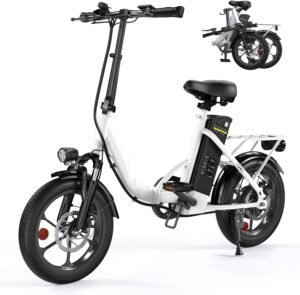
Finbike U4 Electric Bike, 16″…
Max Range: 60KM in pedal assist mode (depending on various factors, such as road conditions, user’s…
