How to Plan Longer Trips with an Electric Bike
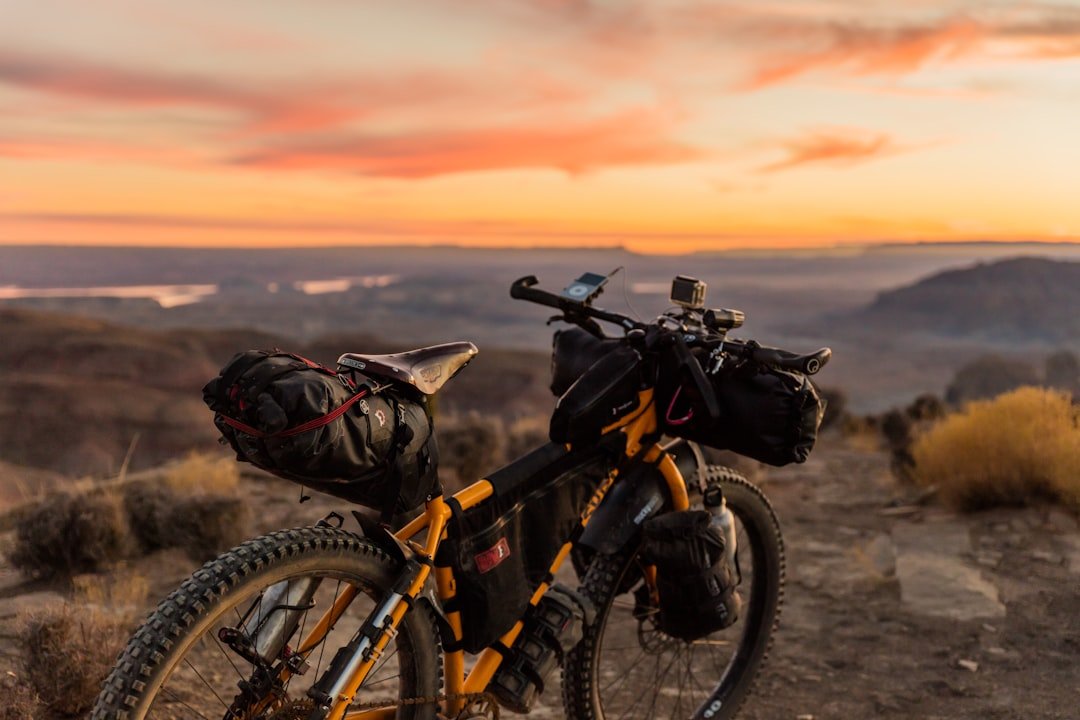
Electric bikes open up a new class of trips—day-long excursions, overnight tours, and multi-day rides that used to be the domain of cars or heavy touring bikes. With the right planning, modest upgrades, and a few habits, you can extend range, reduce risks, and enjoy longer rides without overthinking every mile.
This guide walks through practical choices: estimating range, choosing batteries and chargers, packing smart, and staying safe on long rides. Each section includes actionable steps and the gear categories to consider before you set off.
Plan your range and set realistic goals
Start by estimating how far you ride on a single charge in normal conditions—flat, mixed, or hilly terrain—and how much of that is motor-assisted versus pedalled. Use that baseline to plan daily mileage with a 20–40% safety margin for wind, detours, or cold weather.
If you’re evaluating a different bike for longer trips, check models that match your goals and load capacity. A dedicated touring or commuter e‑bike will handle luggage and repeated charging stops better than a lightweight sport e‑bike: Electric Bikes.
Choose the right battery and pack strategy
Battery capacity is the single biggest determinant of range. Avoid relying on nominal range claims—calculate expected watt-hours per km under your typical load and terrain. If you plan multi-day trips away from reliable charging, prefer higher-capacity cells or modular solutions that let you carry a spare.
Start with the battery category to compare capacities and physical fit for your frame, and look for packs with a good BMS and waterproofing: Electric Bike Batteries.
Charging options on the road
Plan where and how you’ll charge: hotels, cafés, campsites, or portable power. Carry a charger that matches your battery and a set of adapter plugs where necessary. Charging at 80% and avoiding full deep‑discharge cycles will preserve battery life on long trips.
Don’t forget a dedicated field charger or a fast replacement charger for shorter top-ups during long rest stops: Electric Bike Battery Chargers.
Optimize weight, cargo and bike setup
Every extra kilogram reduces range. Review what you absolutely need—tools, spare tube, pump, rain kit, food, and a compact first aid kit. Distribute weight low and central with panniers rather than a heavy rear rack top load, and use a handlebar bag for items you need to reach quickly.
For compact, weather-resistant storage ideal for day trips and minimal overnight gear, consider a purpose-built handlebar pouch: handlebar bag.
Safety, lights and visibility
Long rides often cross dusk or low‑visibility conditions. Good lighting and reflectors aren’t optional. Use a powerful front light for seeing obstacles and a bright, visible tail light with clear brake indication for following traffic.
Choose tail lights designed for bikes and racks that offer USB recharge—easy to top up during breaks: Electric Bike Tail Lights.
Tires: choose durability and the right pressure
Tire choice dramatically affects range and puncture resistance. For long trips, pick tires with strong puncture belts and a tread suitable for your route (slick/road for pavement, semi-slick or treaded for mixed surfaces). Slightly higher pressure reduces rolling resistance—follow the manufacturer’s range for your load and tire size.
If you expect rough roads, plan for spare inner tubes and tire levers and check available replacement sizes in advance: Electric Bike Tires.
Brakes, descending and routine maintenance
On long rides, brakes see heavy use—especially on hilly routes. Check pad thickness, rotor condition, and lever feel before you leave. Replace worn pads and bleed hydraulic systems if you notice sponginess. Effective braking keeps speeds controllable and saves battery by avoiding unnecessary hard stops.
Carry high-quality replacement pads for the trip if you expect long descents: Brake pads.
Upgrades and long-range power options
If you regularly plan long rides, a higher-capacity frame or triangle battery can be a game-changer—offering several times the usable range of a small removable pack. Consider compatibility, weight, and charger specs when upgrading.
For serious range increases that keep weight centered on the frame, high-capacity triangle batteries are available with built-in BMS and fast chargers: 48V 52V Triangle 20Ah battery.
Small checklist before you leave
- Battery charged to planned start level; spare battery or charger packed.
- Tires inflated to recommended pressure and inspected for cuts.
- Brake pads and lights functional; tail light and front light tested.
- Essential tools, pump, spare tube, and puncture kit accessible.
- Pack weight balanced with heavy items low and centered; handlebar bag for snacks/phone.
- Route pre-planned with charging/stop points and emergency contacts.
FAQ
Q: How do I estimate realistic range for mixed terrain?
A: Measure average Wh/km on a typical 20–50 km ride with your load and assist setting. Multiply that by planned distance and add 20–40% margin for contingencies.
Q: Is it better to carry a spare battery or rely on chargers en route?
A: Carry a spare battery if you expect long stretches without reliable power or if fast charging options are scarce. Rely on chargers if you can schedule reliable stopovers; chargers keep total weight down.
Q: What’s the best way to preserve battery health on long trips?
A: Avoid full charges and deep discharges when possible. Charge to around 80% for daily use, keep the battery cool and dry, and avoid pushing maximum power constantly. Park in shade when charging outdoors.
Q: How should I handle unexpected bad weather?
A: Have waterproof gear, pack electronics in dry bags, reduce speed to improve traction, and seek sheltered charging locations. If conditions are severe, delay the leg or use public transport where available.
Q: Can I swap tires for a long tour?
A: Yes—choose touring or puncture‑resistant tires sized to your rims and load. Carry a spare tube or two and a compact pump or CO2 inflator for on-the-road repairs.
Conclusion
Longer trips on an electric bike are achievable with preparation: understand your real-world range, carry the right charging and spare options, optimize load and tires, and prioritize safety gear. Start with conservative daily miles, refine your kit over successive trips, and plan charging/logistics around dependable stops. A compact toolkit, a reliable tail light, and a solid battery strategy will keep your trips smooth and enjoyable.
Products Featured in This Article

4pcs Bike Brake Pads, High-Performa…
Specification: Color: black Material: Metal Product Size: Brake Pads: 3.2×2.7cm/1.25×1.06in Metal Pins: 3.7cm/1.45inPackage details: 4 x…
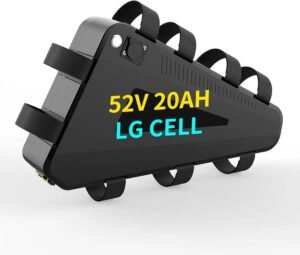
48V 52V Electric Bike Triangle Lith…
Applicable motors: 48V/52V 350W–2000W Nominal voltage: 48V/52V Rated Capacity: 20Ah Maximum Constant Current Discharge: 50A/40A (with…
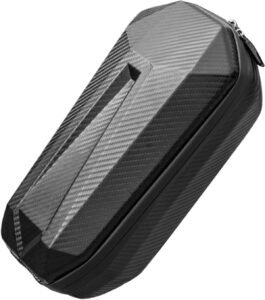
Electric Scooter Bag | Mountain Bik…
Large capacity electric scooter bag provides versatile storage, with a front tube pouch for easy access…
