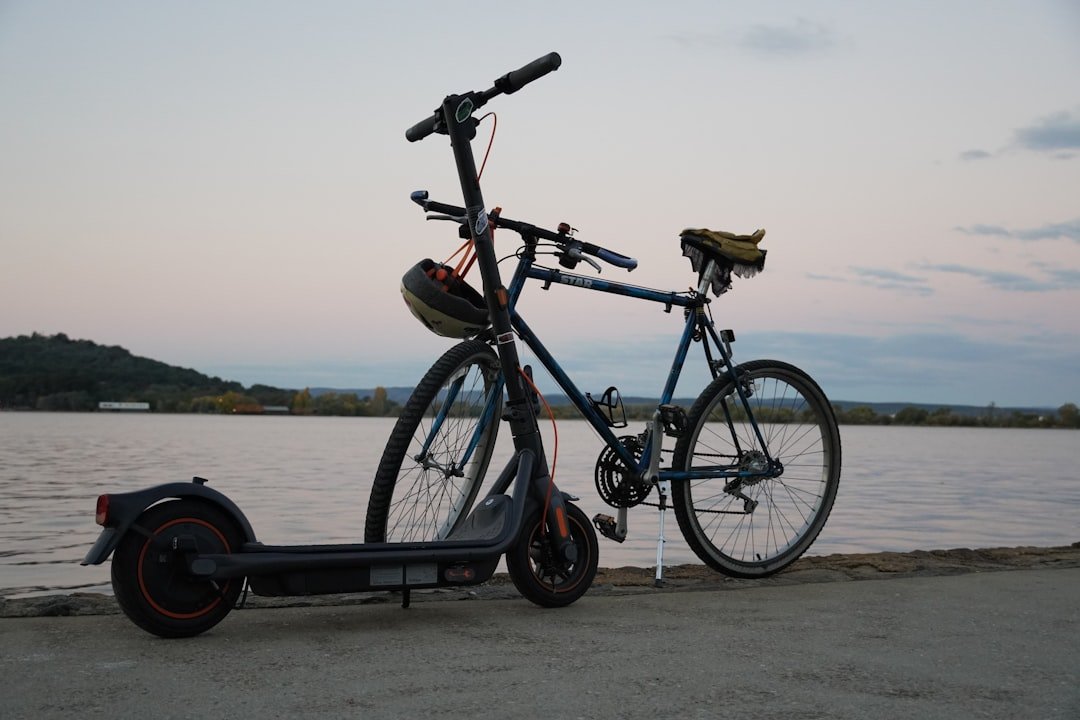
Choosing between an electric bike and an electric scooter comes down to how, where and how far you plan to ride. Both deliver low‑effort, emissions‑free travel, but they differ in speed, comfort, storage, legal considerations and maintenance.
This guide compares the two objectively so you can pick the ride that best matches your daily needs — commuting, errands, adventure or casual fun. Read on for clear, practical advice and a short checklist to help finalize your choice.
Design and riding position: comfort vs compactness
Electric bikes keep the familiar bicycle stance: upright or forward‑leaning posture, larger wheels, and a seat. That makes them more comfortable for longer rides and better for carrying loads. Electric scooters trade seating (most models) and posture for a platform and handlebars, giving a compact standing ride that’s easy to hop on and off.
If you prioritize a seat, suspension and ergonomic pedaling assistance for trips over 5–10 miles, a bike is usually the better choice. For short, last‑mile hops where compactness and quick deployment matter, scooters excel.
Performance, range and speed
Electric bikes generally offer more range and a broader speed/assist profile because they combine motor assistance with pedaling. They come in commuter, trekking and off‑road variants, letting you choose longer range or higher torque depending on the model. For example, models built for urban daily use fall under the Electric Commuter Bikes category, optimized for predictable range, cargo capacity and comfort.
Electric scooters are engineered for short to medium ranges. Higher‑end models can match bike speeds in urban environments and are often lighter, but they typically offer less stability and range than a comparable e‑bike. If you want a robust adult scooter option to evaluate, consider the iScooter Electric Scooter, which demonstrates the upper end of scooter range and power for commuters.
Terrain, handling and intended use
If your route includes rough paths, steep climbs or off‑road segments, bikes designed for those conditions give better safety and control. Look at dedicated off‑road designs such as Electric Mountain Bikes or models with big, grippy rubber like Electric Fat Tire Bikes. Those frames, suspension setups and tire widths give better traction and confidence on varied terrain.
Scooters are best on smooth pavement and shared paths. Large‑tire or suspension scooters improve rough‑surface performance but still fall short of a purpose‑built mountain or fat‑tire e‑bike in rough conditions.
Portability, storage and transport
Portability is a decisive advantage for many scooter buyers. Foldable scooters collapse quickly and can be carried onto transit or into offices. Folding electric bikes close the gap: many models fold compactly and are a strong compromise between ride quality and storage — browse Electric Folding Bikes to compare sizes and folding mechanisms.
If you need to travel with your bike (car, train, plane), accessories like Electric Bike Travel Bags make moving a full‑size e‑bike easier while protecting it in transit.
Safety, braking and legal considerations
Safety is tied to design: bicycles typically have more robust braking systems, lights and larger wheels that handle potholes and traffic better. When evaluating bikes, check braking component quality — replacement parts like the 4pcs Bike Brake Pads, High-Performance offer an example of upgrade options to maintain stopping power.
Legal status varies by jurisdiction: some cities restrict scooter use on sidewalks or require helmets; others classify certain e‑bikes differently based on top speed or motor power. Always check local rules before choosing a vehicle for daily travel.
Cost, maintenance and upgrade paths
Up‑front costs depend on build quality, battery capacity and motor type. In general, scooters are less expensive for similar performance, but high‑quality e‑bikes retain value and offer a longer service life when used regularly.
Maintenance for bikes can be more involved (tire changes, drivetrain, brakes), but parts and service are widely available. Scooters have fewer moving parts but can be more difficult to service at standard bike shops. If you own a traditional bike and want motorized assistance without buying a new frame, conversion options such as Electric Bike Battery Conversion Kits can be a practical upgrade path.
Who each ride is best for (use cases)
- Daily commuter with mixed distances and cargo needs: electric bike (commuter or folding if space is tight).
- Short urban hops, campus travel, quick errands: electric scooter for convenience and easy storage.
- Off‑road exploration or rough coastal paths: electric mountain or fat‑tire bikes.
- Someone retrofitting a traditional bike for occasional assisted rides: consider battery/motor conversion kits.
Checklist: deciding factors
- Typical trip distance: under 5 km (scooter) vs over 5–10 km (bike).
- Terrain: smooth pavement (scooter) vs mixed/rough (e‑bike with appropriate tires).
- Storage constraints: strict (scooter or folding bike) vs ample (full‑size bike).
- Need to carry cargo or child seats: bike preferred.
- Maintenance preference: minimal parts (scooter) vs serviceable components and upgradeability (bike).
- Local regulations and where you’ll ride daily.
FAQ
- Q: Which is cheaper to run, an e‑bike or an e‑scooter?
A: Electricity costs per km are low for both; e‑scooters typically cost less up front, but long‑term value often favors bikes due to durability and wider use cases. - Q: Can I use a bike conversion kit to make my current bike electric?
A: Yes — battery and motor conversion kits are available for many bike types, making conversion a practical option for many riders. - Q: Are scooters legal on bike lanes and sidewalks?
A: Rules differ by city and country; check local regulations. Many places allow scooters on bike lanes but ban them on sidewalks. - Q: What maintenance should I expect for an e‑bike?
A: Regular tire and brake checks, drivetrain maintenance, and periodic battery care. Replacing brake pads and tires as they wear is common. - Q: Which offers better resale value?
A: High‑quality e‑bikes generally hold value better, especially commuter and niche models like mountain or fat‑tire bikes.
Practical takeaway: choose an electric scooter if you need compact, low‑effort, short‑range mobility and easy storage. Choose an electric bike if you prioritize range, comfort, cargo capacity and terrain versatility. If you’re unsure, a folding e‑bike or conversion kit lets you test e‑assistance without fully committing to a new full‑size machine.
Products Featured in This Article

4pcs Bike Brake Pads, High-Performa…
Specification: Color: black Material: Metal Product Size: Brake Pads: 3.2×2.7cm/1.25×1.06in Metal Pins: 3.7cm/1.45inPackage details: 4 x…
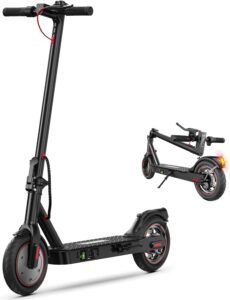
iScooter Electric Scooter, 8.5-10&#…
To calculate the overall star rating and percentage breakdown by star, we don’t use a simple…
