
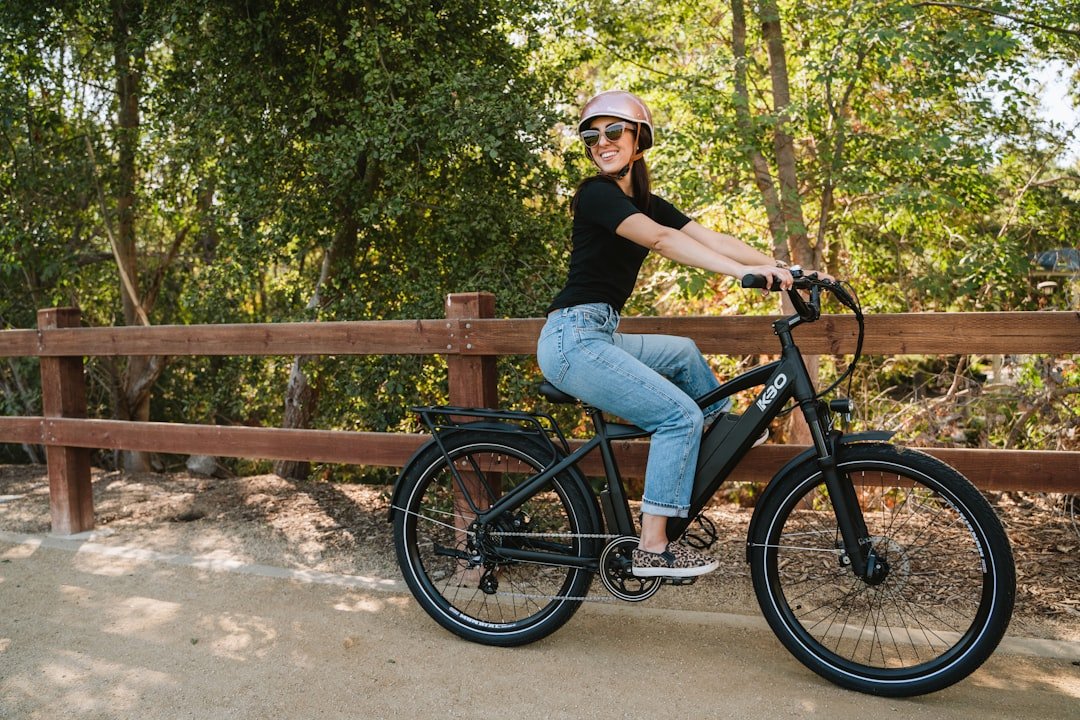
Electric Bike Safety Tips Every New Rider Should Know
Electric bikes open up mobility, make commuting easier and let you explore farther with less effort. They also introduce new systems and speeds that require specific safety habits beyond a regular bicycle.
This guide gives practical, trustworthy steps every new e-bike rider should follow: from choosing the right machine and checking critical components to handling the battery safely and storing or transporting your bike.
Choosing the right e-bike and protective gear
Select a bike that matches how you’ll ride. If you plan to commute in mixed traffic, consider models built for daily urban use with reliable lights and fenders—see options in the Electric Commuter Bikes category. Choose a frame size that lets you touch the ground comfortably and fit the saddle and handlebars to maintain an upright, controlled posture.
Always invest in a properly fitting helmet certified to your region’s standards, bright/reflective clothing, and gloves. Good footwear and a rainproof jacket with reflective panels will keep you safe and visible in varied conditions.
Pre-ride inspection: tyres, brakes and fasteners
Make a quick pre-ride check every time: tyre pressure and tread, brake feel, wheel alignment, lights, and that quick-release skewers or axle nuts are tight. Tyres designed for e-bikes handle higher loads and speeds—if you need replacements or upgrades, review options under Electric Bike Tires.
Check brakes for solid engagement without spongy travel. Squeeze the brake levers and spin each wheel; the bike should stop smoothly and the wheel should not rub when released. Look for loose bolts on the stem, rack, and fenders—tighten as required.
Battery and charging safety
Battery faults are uncommon but important to prevent. Always use the manufacturer-supplied charger and follow charging recommendations: charge in a dry, ventilated area away from flammable materials and avoid leaving the battery charging unattended for extended periods. If you carry a spare or replacement, choose compatible models—like the listed 48V 52V Electric Bike Triangle Lithium Battery Pack—only when it matches your e-bike’s voltage and connector type.
Inspect the pack for swelling, corrosion, or damaged wires. If the battery gets hot during charge or smell of burning appears, stop charging and consult a professional. Store batteries at recommended state-of-charge and temperature when not in use to prolong life and reduce risk.
Converting and modifying: do it safely
If you’re converting a regular bicycle or replacing motors, know the limits of your frame, fork, and brakes. Not all frames are rated for e-bike power and torque. Use proven kits designed for e-bike conversions rather than improvised parts; see established options under Electric Bike Hub Motor Kits. When in doubt, have a qualified mechanic fit the kit and check brake upgrades, wheel strength and torque on tight spokes.
Modifications that increase top speed or power may change handling and legality—understand local rules and upgrade braking and steering components to match higher performance.
Loading, transporting and securing your e-bike
Transporting an e-bike requires attention to weight and battery security. Use racks rated for e-bikes; many trunk and hitch carriers are not designed for higher weights and may damage your car or bike. For secure options, browse the Electric Bike Car Racks category to find units tested for heavier e-bikes.
Remove or secure the battery for longer trips to reduce theft risk and avoid accidental powering of the bike while loading. Lock your e-bike with a heavy-duty lock when unattended and consider using multiple locks (frame and wheel).
Home storage and theft prevention
Store your e-bike in a dry, locked space out of direct sunlight and moisture. Wall mounts and floor stands help save space and keep the bike stable—wall-mounted options are a secure way to keep the bike elevated and out of easy reach; see Electric Bike Wall Mounts to compare styles. When storing outdoors temporarily, cover the bike with a waterproof cover or use a secure shed.
Always remove the battery and carry it inside if storing outdoors or in a shared area. For long-term storage, keep the battery partially charged (manufacturer guidance usually ~40–60%) and check it monthly.
Traveling with your e-bike: bags, cases and public transport
If you travel with your e-bike by plane, train or bus, you’ll need protective packing and to follow carrier rules. For foldable or compact models a travel bag reduces risk to the frame and components; explore protective options in the Electric Bike Travel Bags. Check battery restrictions for airlines—many will not accept large lithium batteries in checked luggage and have limits on capacity.
When taking trains or buses, collapse/secure the bike and keep batteries removed if required. Protective padding around the derailleur and display minimizes damage during handling.
Riding with young riders: supervision and setup
Children and teens need bikes sized correctly and power-limited settings. If buying for a child, view dedicated models in the Kids Electric Bikes category to ensure proper fit and safety features. Always program limiters (where available), teach throttle control, and require helmets and adult supervision on roads.
For younger riders, ensure training wheels or balance assistance is appropriate and that caregivers understand the bike’s speed and braking characteristics.
Quick safety checklist
- Helmet, lights, reflective clothing: on before you ride.
- Tyre pressure and tread: OK for ride length and conditions.
- Brakes: responsive and adjusted.
- Battery: correctly mounted, not damaged, charger on safe surface.
- Secure cargo and remove valuables when parked.
- Know local laws: helmet use, speed, where e-bikes are allowed.
FAQ
Q: How often should I service my e-bike?
A: Basic checks weekly for tyres, brakes and lights; a full service every 6–12 months or sooner if you ride daily or in poor conditions.
Q: Can I ride in the rain?
A: Most e-bikes tolerate light rain, but avoid deep water and prolonged exposure. Dry electrical contacts after wet rides and store the bike indoors when possible.
Q: Is it safe to remove the battery frequently?
A: Yes—removing the battery reduces theft risk and is recommended for storage and travel. Follow the manufacturer’s instructions for safe removal and handling.
Q: Do I need special insurance?
A: Check your home and vehicle insurance policies and local requirements—some riders add a dedicated e-bike or liability policy for theft and accidental damage.
Q: How do I improve visibility at night?
A: Use a strong white front light, a red rear light, reflective clothing and spoke or wheel reflectors. Reduce speed on poorly lit roads and increase following distance.
Conclusion
Safe e-bike riding is a combination of the right bike and gear, consistent pre-ride checks, sensible battery practices, secure transport and proper storage. Start each ride with a quick inspection, respect your bike’s limits, and practice riding in low-risk areas until you’re comfortable. With these habits you’ll reduce risks and enjoy the freedom e-bikes offer.
Products Featured in This Article

48V 52V Electric Bike Triangle Lith…
Applicable motors: 48V/52V 350W–2000W Nominal voltage: 48V/52V Rated Capacity: 20Ah Maximum Constant Current Discharge: 50A/40A (with…
